
Wheelchair and Scooter Assessments
Buying a wheelchair or mobility scooter isn’t necessarily as simple as popping into the store, hopping into the seat and off you go, especially if you have a specific or severe disability. In this instance, it’s a good idea to go for a proper assessment to determine exactly what features you need to be safe and comfortable.
You will be assessed by an occupational therapist who, after the assessment process, will provide you with a comprehensive report and help you explore your wheelchair and scooter options so you get the right fit right away.
A closer look at the assessment process
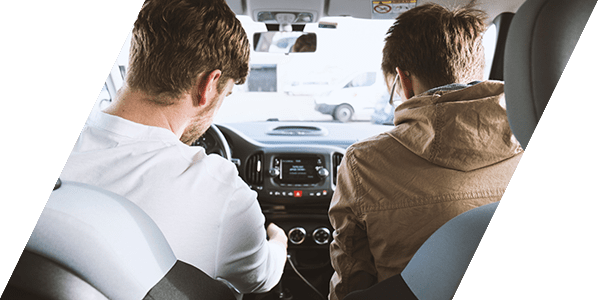
An assessment for a wheelchair or mobility scooter is similar to the assessment for driving. It starts with information gathering, particularly with regard to medical history. Don’t underestimate the importance of any information; the more info the better. In some cases, the therapist may also require information from your doctor, especially when it comes to treatment decisions and some of the finer details of your condition.
A physical assessment is necessary to determine the severity of your condition and the full extent of the physical limitations that result. During this assessment the therapist will also take careful measurements of your body where necessary; these can be taken when seated, standing, and lying down. These measurements may also be taken in different circumstances; for example, seated on a straight-backed chair, and seated on a chair with a particular cushion or lumbar support device. The therapist may also ask you to assume different positions and carry out certain tasks to get an accurate picture of tightness and flexibility. The result is that, in addition to determining which wheelchair is best for you, the therapist may suggest new physical exercises to improve range of motion and build strength.
The next step is to gather information on your daily life and your environment. This can include an inspection of your neighbourhood and your home to get an idea of space available for manoeuvrability to discover potential obstacles to mobility. If you have a job, the therapist may want to examine the work place, once again to see space and potential mobility challenges. Some therapists will even accompany you to your local shops and most frequented restaurants, coffee shops, pubs, and parks.
Armed with all this information, the therapist puts together a report – or prescription – detailing the specifications and adaptations required. After a thorough discussion with the therapist, you can decide if you’re going to go with all of the recommendations, or whether you’re going to start with the most significant suggestions and take it from there.
You can take your prescription to a specialist wheelchair provider and once again discuss the options, with a greater financial view in mind.
The final step is wheelchair fitting. This happens upon delivery of your wheelchair or mobility scooter and involves adjusting the various add-ons and equipment to ensure a perfect fit.
Wheelchair and scooter options
There are different types of wheelchairs and mobility scooters available, which will be more or less suited to your needs. The therapist will identify the type that is best for you and then you can add the adaptations and equipment recommended in the prescription.
It’s important to note, that while insurance for wheelchairs and particularly Mobility Scooters isn’t a legal requirement, it is highly recommended and easy to buy online. Surewise for example, provide both wheelchair cover and mobility scooter insurance.
Wheelchairs:
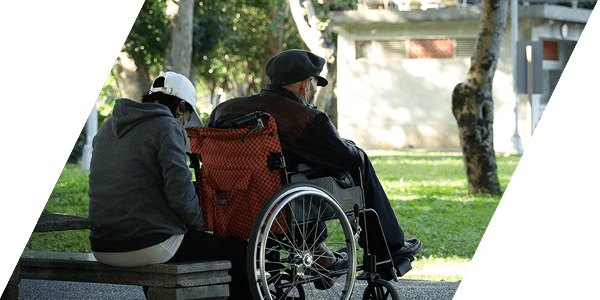
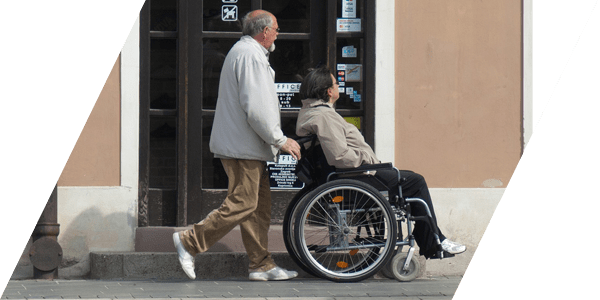
- A push wheelchair is pushed by another person; your carer or friend or family member
- A self-propelling wheelchair enables you to travel under your own steam
- A tilt-in space wheelchair allows for change of position to ensure better support and comfort
- An active-user wheelchair is light enough for all day use without causing fatigue
Mobility scooters:
- A powered wheelchair has a little motor that is usually controlled by a joystick. These are geared towards those with very limited mobility in their upper and lower bodies.
- Lightweight or portable scooters fold up into compact units that can easily be stored indoors or in the boot of your car. They have a maximum speed of 4mph and are designed for indoor and pavement use.
- Medium scooters also have a maximum speed of 4mph but they have bigger batteries with longer range and some of them can be driven on the road.
- Large scooters tend to offer more creature comforts than the other sizes and are big enough to be fitted with several additional features, including storage space and umbrella stands. They are certified for road use.